

Recent controversies and regulatory scrutiny surrounding Nvidia CEO Jensen Huang—ranging from high-profile executive stock sales to intensifying Department of Justice (DOJ) antitrust investigations and export compliance probes—have ignited fresh debate across global financial markets. As the crown jewel of the artificial intelligence boom, Nvidia Corporation (NASDAQ: NVDA) has enjoyed unprecedented valuation surges. However, headlines questioning executive transactions and market dominance are now introducing a new layer of volatility for traders and institutional shareholders.
The Core of the Controversy: Insider Selling and Antitrust Inquiries
The controversy centers on two distinct fronts: substantial pre-scheduled insider stock sales executed near all-time valuation highs, and escalating regulatory friction over Nvidia’s near-monopolistic grip on the enterprise AI accelerator market. With federal regulators probing whether Nvidia leverages its proprietary CUDA architecture to discourage customers from adopting rival chips, market participants are questioning whether corporate governance and regulatory compliance can keep pace with a $3+ trillion market capitalization. While pre-arranged Rule 10b5-1 trading plans offer legal justification for executive share disposals, the public optics during a volatile tech environment have prompted temporary risk-off sentiment.

How Is the Scandal Impacting Nvidia (NVDA) Stock?
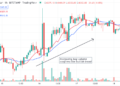
For Nvidia’s stock price, headline-driven scandals typically generate sharp short-term pullbacks rather than immediate structural damage. Historically, executive controversies create intraday fluctuations between 3% and 6%, impacting leveraged CFD traders and options markets. In the immediate term, NVDA faces key technical hurdles as risk-sensitive hedge funds trim high-multiple tech exposure to hedge against regulatory headlines and supply-chain headwinds.
Nevertheless, Nvidia’s core medium-term trajectory remains fundamentally anchored to hyper-scaler capital expenditures from technology giants like Microsoft, Alphabet, and Meta. Unless regulatory inquiries evolve into structural penalties that disrupt Nvidia’s software moat and Blackwell chip shipments, Wall Street analysts generally view headline-induced pullbacks as tactical accumulation windows for swing traders.
Key Takeaways for Stock and CFD Traders
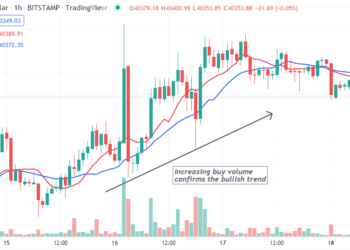
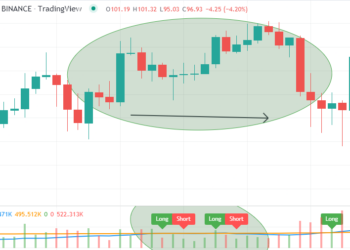
For active traders on CFD and stock trading platforms, elevated headline volatility around Nvidia calls for disciplined risk management. Traders should monitor crucial moving averages and volume profiles around the US market open. Until clear regulatory resolutions emerge, executive news will dictate short-term momentum, making trailing stop-losses and measured position sizing vital for navigating NVDA.