
Pre-market trading allows trading before the opening of the main market session. Trading in the online marketplace has become easy, transactions occur in seconds, and markets are open for set periods depending on the region. Volume and liquidity also change with demand for certain assets during a particular period.
However, if you want to take part in pre-market trading, you need to learn the times and the assets that are available, as well as proper strategies for trading in the pre-market. This article introduces pre-market trading and trading methods you can use during that time.

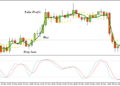
What is pre-market trading?
Pre-market trading is trading activity before the regular market session. Many brokers allow you to place positions during off-hours, which is pre-market trading. It occurs in the early hours before the regular trading session. In general you can count 8:00 am to 9:30 am EST, or 4:00 am to 9:30 am, as pre-market sessions, as many assets are available for orders through some brokers and financial institutions. Pre-market trading often has low liquidity, as most participants are not active during that session.
It also often involves larger spreads than regular sessions. On the other hand, pre-market trading lets participants enter a market with less volatility. These strategies are only for skilled and experienced traders.
How to use a pre-market trading strategy?
Pre-market trading is simple. Identify the timeframe and choose a broker that allows pre-market activity. Place your desired orders and wait for the opening session. There may also be chances to modify or exit before the market opens. When the regular session starts, wait until the order is active and modify it if needed.
A short-term strategy
This short-term strategy is about trading Indian stocks at a specific time. You have a 15-minute window to place, modify or cancel an order. The 15 minutes has three segments: the entry session, the order matching session and the buffer session.
Entry session
The entry session lasts 8 minutes (9:00 am to 9:08 am). During this time you can place buy and sell orders. After this time you can’t make new positions or modify your order.
Order matching session
The order matching session lasts 4 minutes (9:08 am to 9:12 am). Orders are matched during this period, and you can’t modify or change your order.
Buffer session
The buffer session lasts 3 minutes (9:12 am to 9:15 am). The market opening is initiated during this period.
How to identify the instrument
To identify a potential stock, match these criteria:
- Select the target instrument from the F&O list by looking at performance.
- Choose stocks that have at least 10,000 volume during the pre-market session.
- VIX is over 20.
- Select stocks with an average price change of at least 1.3%.
Initiation and entry/exit
When all the criteria meet on your target stock, you can place an order. Place a buy order 5 paise above the high of the 15-minute candle, or a sell order 5 paise below the low of the 15-minute candle. The profit target is 1% and the stop loss is 1%. This strategy allows no new trades after 2 pm. If neither the stop loss nor the take profit is hit by 3 pm, exit the order.
Long-term trading strategy
This long-term strategy suits traders with sufficient fundamental knowledge. Many news releases occur at the end of regular sessions, when significant participants are not acting. You have to filter the trading assets for this strategy and make entries according to what the news suggests.
This method is similar to the "gap" trading strategy. A gap occurs in price movement because of participants’ actions. Once a gap appears, the price tends to stay in that direction for a period. Look for gaps on the daily chart of the target asset.
Bullish trading strategy
When a news release suggests a future upward move, place a buy order before the regular session opens. After the market opens, a bullish gap occurs if the current day’s opening price is higher than the previous day’s closing price. Continue the buy order until downward pressure comes up. The stop loss goes 15-20 pips below the gap.
Bearish trading strategy
If the news suggests a declining asset price at the market’s opening, place a sell order. The gap is the opposite of the bullish setup: the current day’s opening price is lower than the previous day’s closing price. It indicates bearish pressure on the asset price. Continue the sell order until buyers return with sufficient interest to push the price upward. The initial stop loss goes 15-20 pips above the gap.
Tips
Keep some factors in mind: a gap can occur because of distribution, accumulation, a broker’s adjustment to the actual market and other causes. Only enter when significant information supports your order type. Gaps also often fill immediately after forming, so be strict with your plan.
Pros and cons
The top three pros of pre-market trading are:
- You enter a market with less volatility.
- It lets traders react early to news or events.
- It allows you to speculate outside the regular market session.
The top three cons of pre-market trading are:
- You will get low liquidity.
- It requires sufficient trading knowledge.
- You get a small window to enter or modify orders.
Final thought
Acquire sufficient knowledge and practice these strategies on a demo account before using them in real trading. Pre-market trading involves risk, and no strategy guarantees a profit.